
Sabrage and style: The champagne experience at Tasting House
By Kristen Oliveri
Tasting House, based in Los Gatos, California, is a destination-worthy wine bistro and Champagne bar celebrating the art of food and wine pairings.
The wine program features more than 1,000 selections from around the world. The Champagne list alone showcases nearly 120 labels, with one of the most extensive collections of Brut Nature Champagnes in the country.
The kitchen is helmed by Executive Chef Julian Silvera, whose early culinary career began in his native New York City under acclaimed chefs Wylie Dufresne and Nahid Ahmed. He later lent his talents to Florida’s Knife & Spoon, where he contributed to earning the restaurant a coveted Michelin star.
Wealth Reimagined’s Kristen Oliveri sat down with Mary Martin, General Manager, and Riley Davis, Captain, to talk all things Champagne, from how they curate their world-class list to the fan-favorite weekly sabrage demonstrations hosted on site.
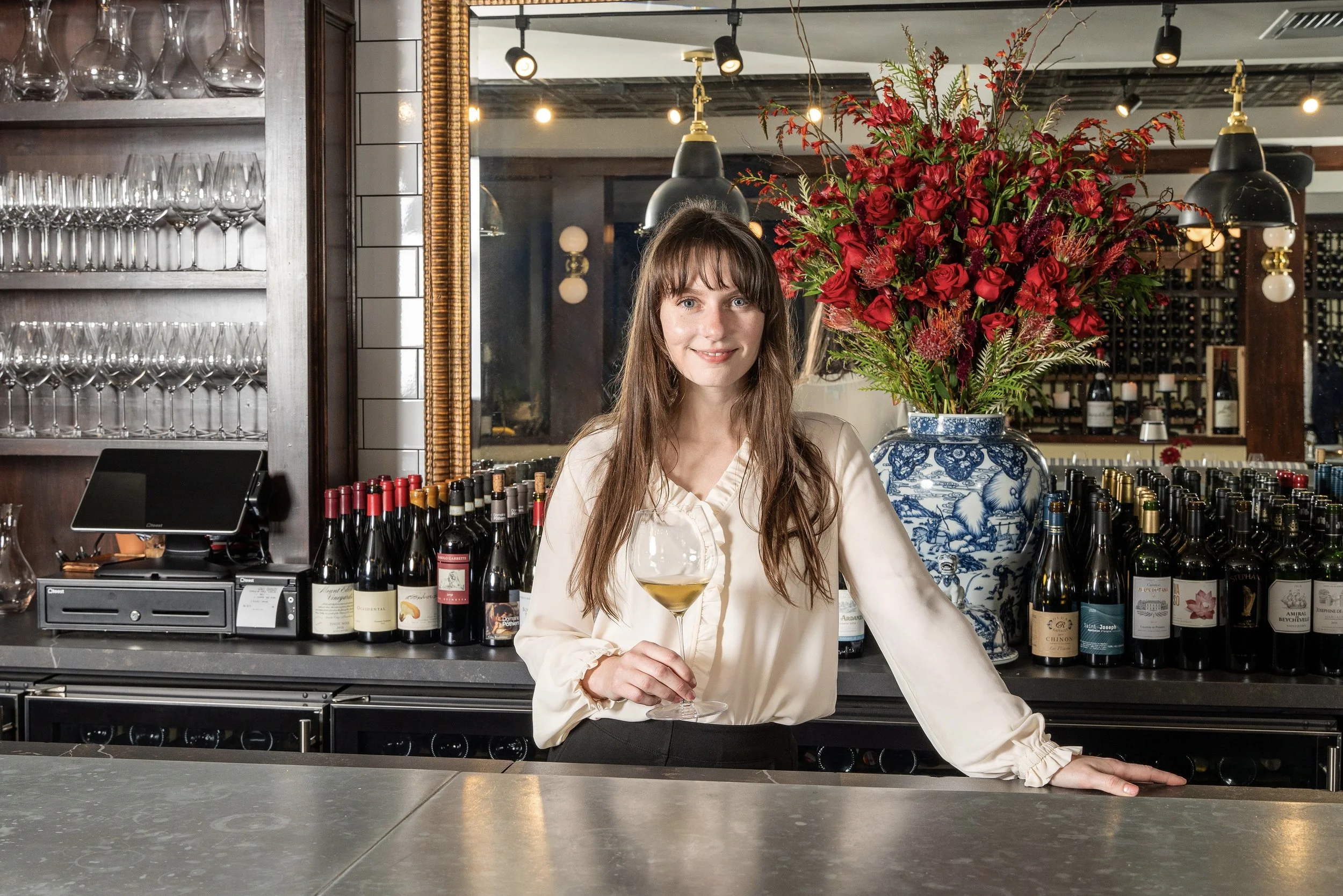
Q: Your team has said that Champagne is “an everyday way to savor life.” For guests who may still see Champagne only as a drink for special occasions, how do you help them reimagine it as part of an everyday dining or tasting experience?
A: (MM) Personally, after Covid, my overall outlook on celebrating and what warrants celebration changed immensely, I would say for the better. Why should someone wait for a birthday or an engagement, or a graduation or a holiday party to enjoy a good glass of Champagne? When we have countless other beautiful moments and people and reasons to celebrate all the time. Kid’s first day of school, getting through a tough day, a Wednesday girl’s night out, acing an interview, falling in love, falling out of love, or a glass for yourself just because. I encourage everyone to celebrate as often as they can, for as many reasons as they can, whether it’s a big milestone or just to mark a moment in time in their day -to-day lives. And let’s be real, there is no better way to celebrate than with Champagne.
Q: The 15-course Chef’s Tasting experience offers an all-Champagne pairing option. What makes Champagne such a versatile partner for food, especially across so many different courses and flavors?
A: (MM) Champagne is the chameleon of wine styles because of a few things: One, it has high acid, which is a dream to pair with any food. It works with rich and fatty foods, fried foods, and anything with an umami quality. Two, it has a range of dosage levels (sweetness), so you can essentially match any food’s sweetness or spice levels with the correct level of viscosity. Three, it can be, but is not limited to the blending of three main grapes, which can vary the fruit characteristics in the wine from tart green apple to sweet juicy blackberries on the palate. There is no other style of wine produced within one region that varies to such an extreme degree. Champagne can technically be almost anything that a chef wants or needs it to be. I don’t know that a Champagne-focused food menu or pairings would work everywhere, but it definitely does with a menu like ours that’s pretty eclectic, in terms of the many global flavors it reflects. I like to think that our reaching for those out-there pairings is part of our charm, one of the special ways we “surprise and delight,” as they say!
Q: You’ve added flights and private tastings that spotlight grower-producer Champagnes. What sets grower-producers apart from the big houses, and why should a guest be excited to explore them?
A: (RD) Grower-producers are the sommelier’s best kept secret. Do you want a wine that delivers everything that Billecart can, at 1/4 of the price? Of course you do. Do you want a wine made by a winemaker who guides the process from the growth of every vine all the way through vinification? Of course you do. Grower-producers are the most obvious investments in one of the most prestigious, and let’s face it, expensive regions in the world. Grower-producer champagne highlights a rising focus on single plot, single -terroir wines, akin to the practices of prestige growing areas like Burgundy. This emphasis brings another layer of quality, complexity and variety that can be lost in big-house blends.
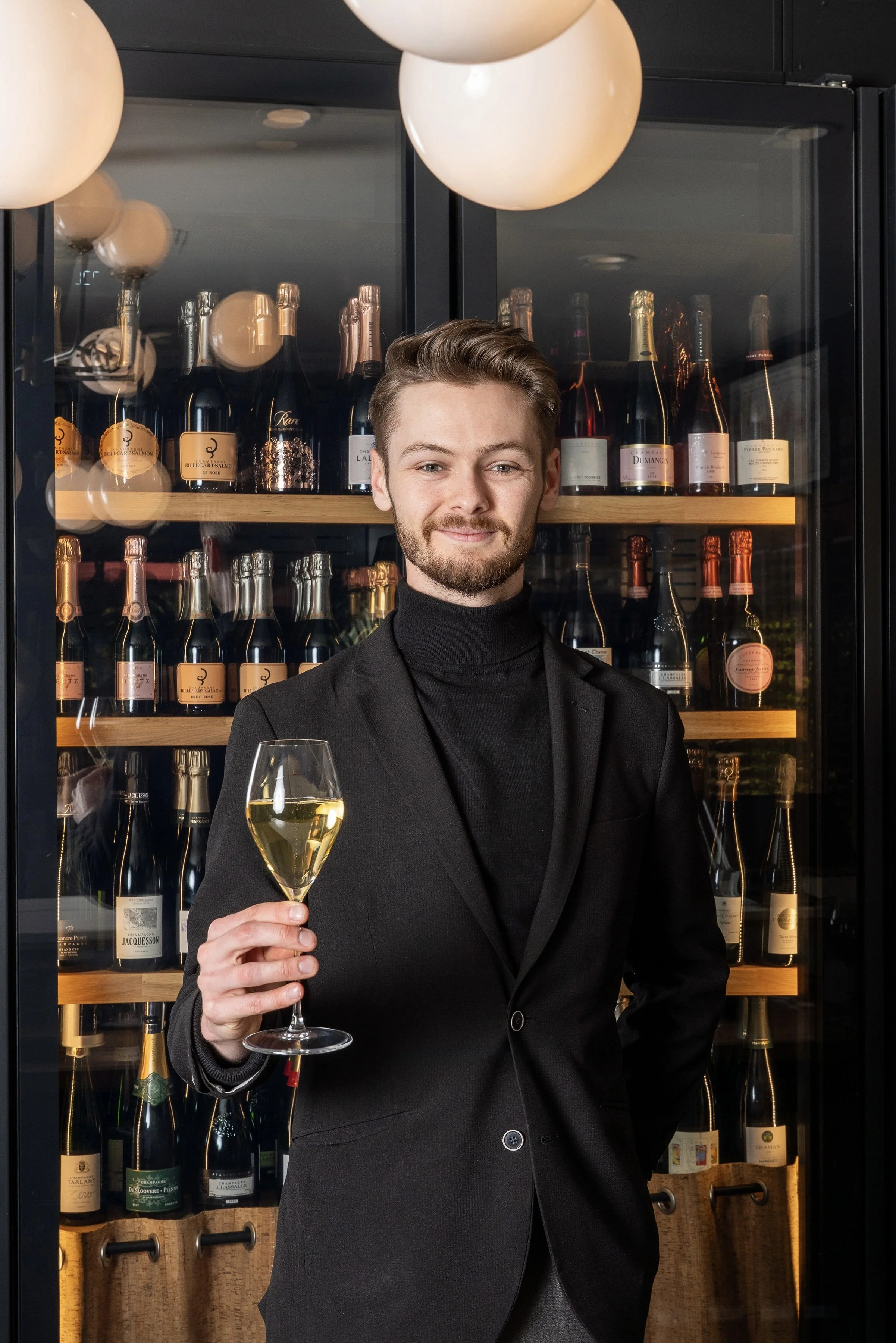
Q: Tasting House now boasts one of the most extensive selections of Brut Nature Champagnes in the country. Tell us about what Brut Nature means and how its flavor profile differs from other styles of Champagne.
A: (RD) Brut Nature is technically a Champagne with little to no dosage, so there is no or very little added sugar at the end of the production process. This results in a very focused, linear style of Champagne. The focus is on the individuality and originality of the fruit, rather than mass appeal. For someone that is new to Champagne, this can provide them with a better understanding of where Champagne began, in addition to exposing them to styles they likely haven't seen before. Those with more educated and discerning palates can actually begin to pick out and appreciate the individual aspects of the fruit, winemaking style, and soil type, without any extra “noise.”
Q: You do a weekly sabrage demonstration, and Tasting House holds the rank of Caveau de Sabrage from the Confrerie du Sabre d’Or. What’s the history behind sabrage, and why do you think it continues to capture people’s imagination today? (PS- That’s awesome!)
A: (MM) Thank you so much! We love it. There is a romanticism to sabering a bottle of Champagne; it is an exciting experience that a lot of us only get to witness from afar. Part of our intention with the weekly sabrage is to make it more accessible. The society that we are involved with now, actually began as a drinking club, and the gentlemen who ran it thought it was more fun to enjoy Champagne with swords. I personally couldn't agree more. Historically, the tradition of sabering began during the Napoleonic Era as a way to celebrate a battlefield victory or military advancement. Starting the weekend with some Friday evening sabering feels a lot like a victory to me! I personally can’t think of many people who would disagree with that.