
By Kristen Oliveri
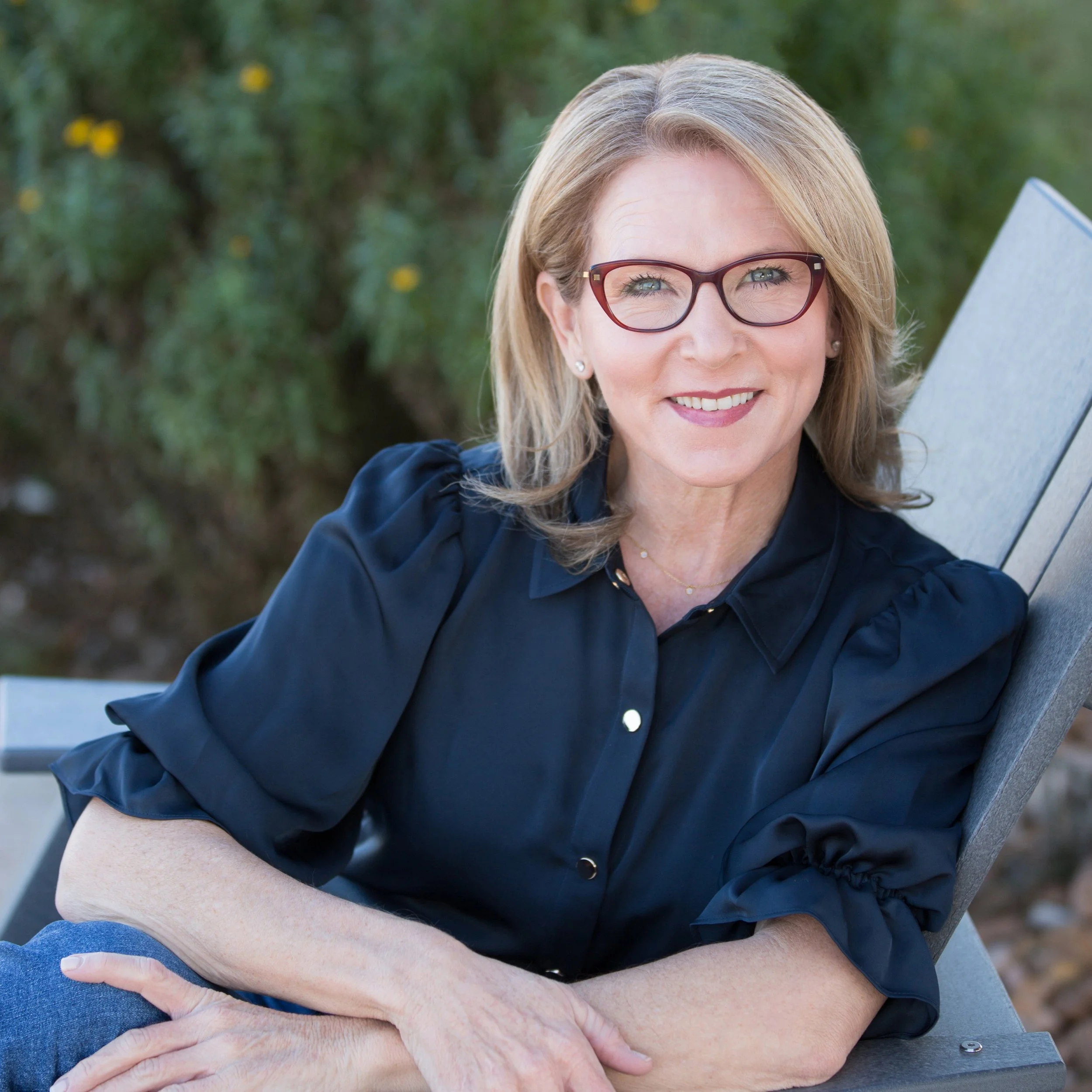
Few leaders have reshaped the conversation around women and financial empowerment quite like Steph Wagner. As the National Director of Women & Wealth at Northern Trust, Wagner guides one of the country’s most influential advisory platforms dedicated to educating women, advancing financial literacy, and helping them maximize the impact of their wealth for themselves, their families, and their communities.
Wagner began her career in corporate finance and private equity in the late 1990s, and was one of the few women in the room at the time. By her early 30s, she found herself six months pregnant with a toddler at home, boarding yet another plane to close yet another deal. In that moment, she realized something had to give.
What followed was a chapter defined by reinvention: stepping away from a high-powered career, becoming a stay-at-home mother, confronting a painful divorce, and ultimately finding herself suddenly financially vulnerable.
Despite her finance background, Wagner described her “oh-no moment” vividly: realizing she had abdicated control of her financial life and now needed to rebuild it from the ground up.
Her book, FLY, was born from that experience: part memoir, part financial roadmap, and entirely dedicated to helping women reclaim their power.
“If I felt overwhelmed and lost with a finance degree and a private equity career, imagine the women who never had access to this knowledge at all,” she explained. Her mission became clear: remove shame from women’s relationship with money and give them the tools to rebuild both emotionally and financially.
Demystifying money: Why so many women feel intimidated
Wagner has been candid about the emotional weight money carries, especially for women. Shame, embarrassment, and the belief that “I should know better,” often keep women from engaging in their financial lives, even when the stakes are high.
“You need to unpack your relationship with money first,” she explained. “Were you raised in a home where money caused conflict? Did one person handle everything? What patterns did you absorb without realizing it?”
By building this self-awareness, women can shift from avoidance to action, she noted. Pairing emotional clarity with practical tools, like the seven steps she outlines in FLY, creates what she has called a “healthier financial mindset,” and the foundation for long-term security and big dreams.
Wagner also believes financial confidence isn’t taught, but rather earned through knowledge and experience that starts young.
She cited Jenny Just’s Poker Power initiative as an example. Boys are socialized to take risks, strategize, and compete, while girls often aren’t given the same opportunities. Whether through poker, team sports, allowances, or small decision-making exercises, Wagner believes children need early exposure to risk-taking and resource allocation.
She even brought back the old-fashioned envelope system with her own sons where she put a cash allowance in a envelope for them to use. “When the cash is gone, it’s gone,” she told them. “Every yes is a no to something else.” It’s a tangible lesson in opportunity cost and something digital banking often obscures. Parents and mentors, she said, must model transparency, positivity, and healthy habits around money.
When asked about her superpower, Wagner doesn’t hesitate: it’s her ability to thrive in the “middle”—the messy, uncomfortable space between transition and transformation.
That grit was forged early. Growing up in a household where domestic violence was present, she learned to face adversity with courage and forward momentum. “I get excited about change and setbacks,” she said. “Because I know there’s something better on the other side.”
Beyond the work: The practices that keep her grounded
Outside of the world of financial education, Wagner is a devoted cyclist and yogi who is specifically drawn to acroyoga for its playful spirit and reminder to stay young at heart. Yoga and cycling are where she does her clearest thinking, she noted.
Her creative inspirations range widely, from the spoken-word artist Prince Ea (“Everyone dies, but not everyone lives”) to emerging female musicians whose lyrics and energy fuel her creativity.
At a time when women are inheriting wealth at historic levels, leading businesses, and reshaping philanthropic and investment priorities, Wagner is providing a framework for confidence, clarity and courage.