
By Kristen Oliveri
A new report from Presage Global and Nines reveals a sobering truth: the greatest vulnerabilities facing family offices aren't always external. They're often hiding in plain sight.
Family offices spend countless hours preserving wealth across generations, yet when it comes to protecting the operations that support those families every day, many remain surprisingly unprepared.
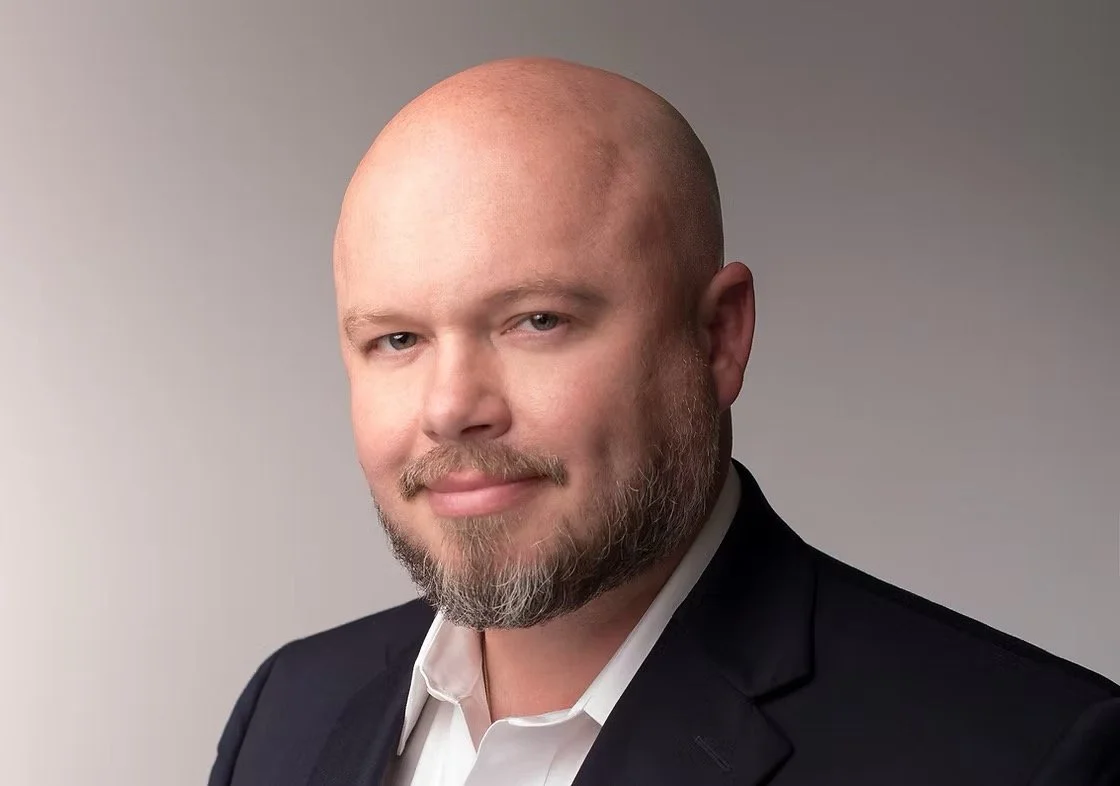
Eddie Marshall of Presage Global
A new survey from Presage Global and Nines, drawing insights from more than 100 estate managers, chiefs of staff, family office executives and security professionals, offers one of the clearest looks yet into how family offices are thinking about operational risk and where gaps continue to exist.
The findings aren't meant to alarm, but rather serve as a reminder that security is no longer just about gates, guards and cybersecurity. It's about people, processes, documentation and institutional knowledge. And perhaps most importantly, it's about preparing before a crisis forces action.
The Hidden Cost of Complacency
One of the report's most compelling findings has nothing to do with technology. Ten percent of families admit that critical operating procedures exist only in the estate manager's head.
When a trusted estate manager, chief of staff or long-serving executive retires, resigns or simply moves on, years of knowledge can disappear overnight. Vendor relationships, emergency procedures, family preferences and operational history often leave with them.
For family offices already navigating generational transitions, this "key person risk" deserves far more attention than it currently receives.
The report also found that nearly half of respondents have either never conducted a formal risk assessment or only perform one after an incident has already occurred. Sixty percent of operational improvements happen only after something goes wrong.
It's a familiar pattern. Success can create a false sense of security and families often assume that because nothing has happened, nothing will.
Yet today's family office looks very different than it did a decade ago. Multiple residences, household staff, private aviation, global travel, digital assets and increasingly connected homes have expanded the definition of operational risk. Preparation has not always kept pace with that complexity.
The same pattern appears in staffing. Nearly three-quarters of respondents never refresh background checks after an employee is hired. More than half do not require non-family members with access to residences to sign non-disclosure agreements. Recruiting trusted professionals has become increasingly difficult, but maintaining strong governance around those hires remains just as important.
Training presents another blind spot. Nearly two-thirds of household staff receive no formal security training, despite AI-powered fraud and cyberattacks emerging as one of the fastest-growing concerns facing affluent families.
Security Is Really About Continuity
Perhaps the most important takeaway from the research is that security is becoming less about physical protection and more about operational resilience.
Families with fragmented teams and disconnected systems experienced dramatically higher incident rates than those operating with centralized documentation and integrated processes. The technology itself often isn't the issue. It's whether the people responsible for protecting the family are working from the same playbook.
Surprisingly, greater wealth didn't necessarily correlate with greater preparedness. Families overseeing more than $1 billion in assets reported higher rates of financial-loss incidents than smaller family offices, suggesting that complexity, not resources, is often the greatest challenge.
The report ultimately reframes what security means for today's family office. It's about preserving institutional knowledge, documenting critical processes, investing in training and creating systems that can withstand leadership transitions without disrupting the family they serve.
Perhaps the most important question every family office should ask isn't whether they're secure today. It's whether their organization would continue to operate tomorrow if their most trusted executive walked out the door.