
By Kristen Oliveri
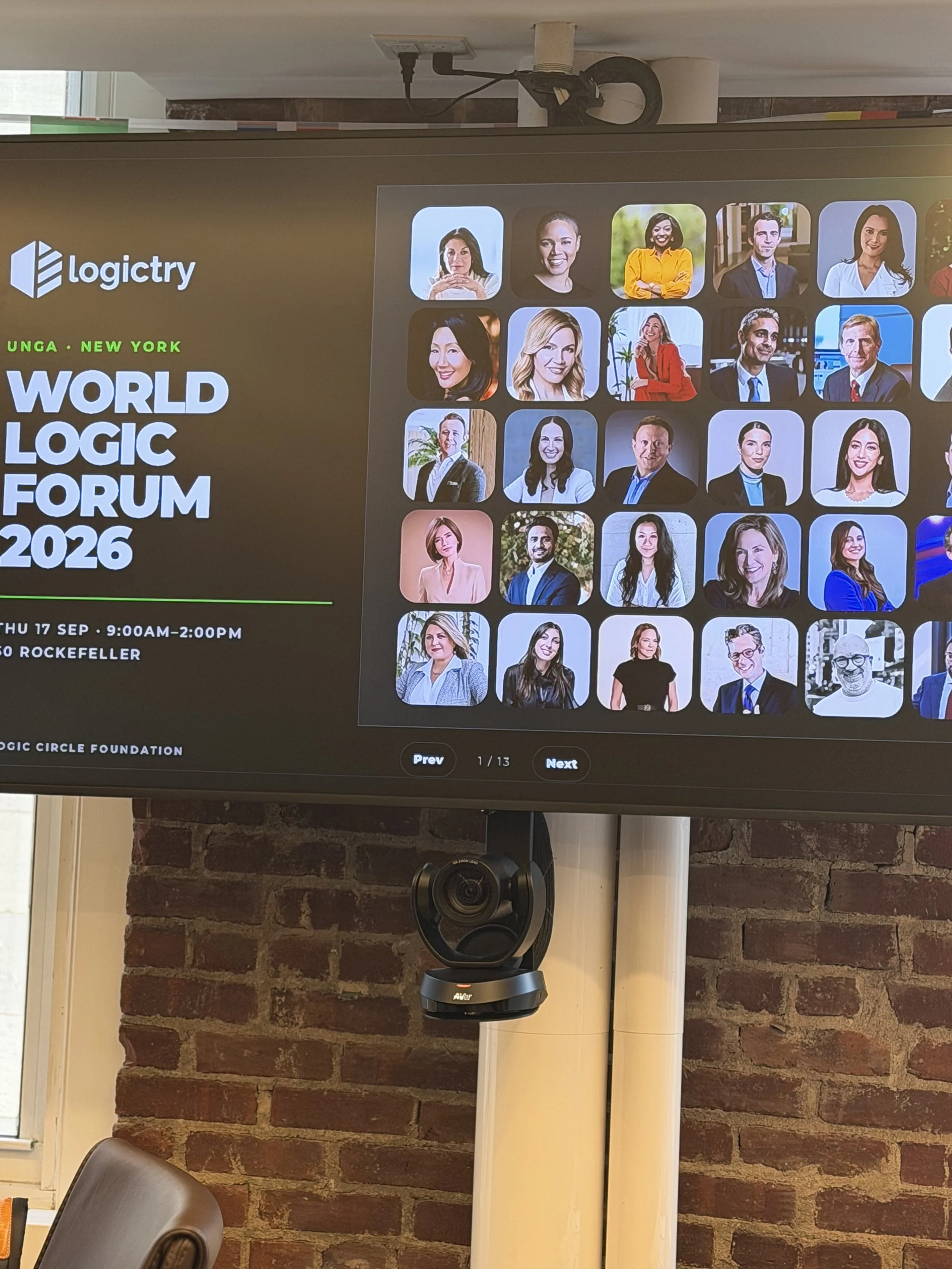
At the United Nations General Assembly (UNGA)’s World Logic Day in New York City this fall, conversations across generations revealed a shift in how wealth is defined, who controls capital and how rising generations are choosing to use it.
The day brought together participants spanning Gen Alpha through the Silent Generation, representing more than 29 countries, who gathered for conversations around healthcare, philanthropy, capital and leadership. Family offices joined investors, entrepreneurs, philanthropists and experts from across disciplines for open dialogue and exchanges.
Chelsea Toler, co-founder of Logictry, set the tone for the event, speaking about creating more opportunities for women and rising leaders to participate in decision-making, while bringing the experience of established leaders together with the perspective of younger generations.
It includes moving beyond the assumption that next-generation family members are simply being prepared to inherit what came before them. They are already participating in decisions about how capital is being deployed today, how impact is defined and which problems receive attention.
Wealth Reimagined had the opportunity to sit down with several key leaders to hear their stories.
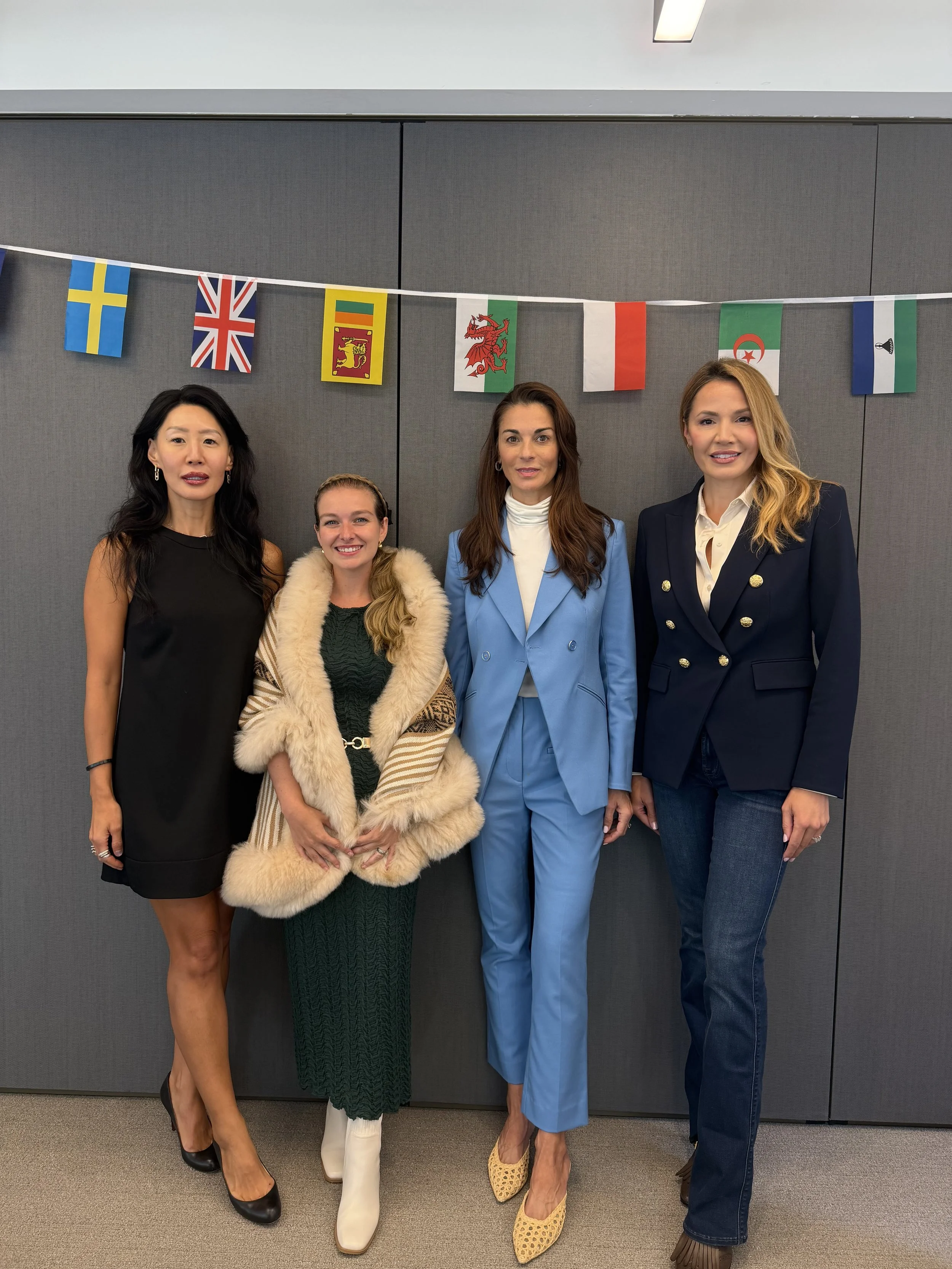
A New Definition of Wealth
When you ask someone to define wealth, money may be the obvious starting point. But when Kristen Oliveri, Founder of Wealth Reimagined, posed the question throughout World Logic Day, the answers repeatedly moved beyond the simple notion of money.
For Jai Desai, Vice President at Acadian Asset Management, his parents’ experience living largely in “survival mode” helped shape what wealth means to him today. “Wealth is more than money,” he said. “You can’t make more time.”
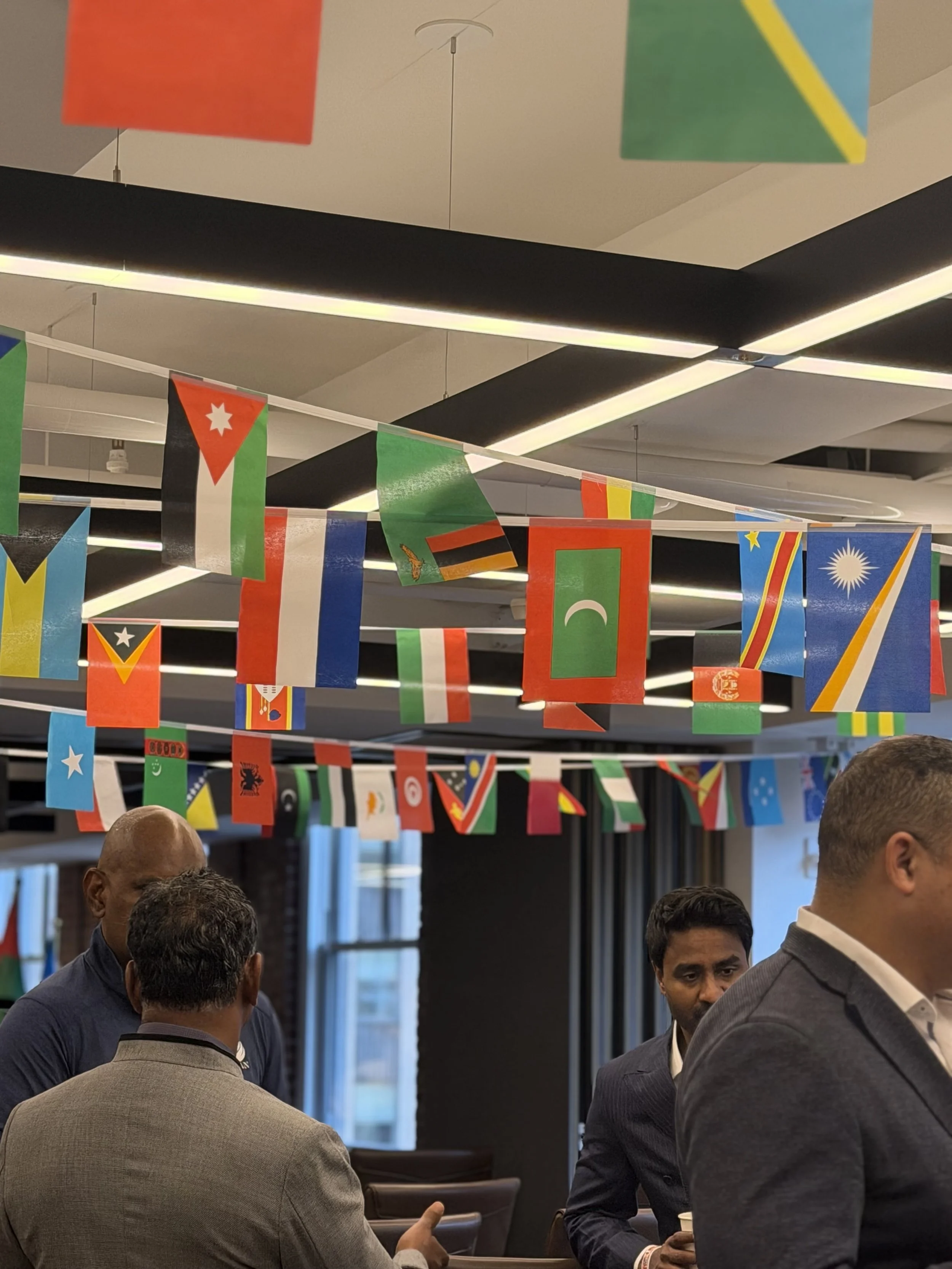
For Desai, wealth includes being able to spend that time with family, travel together and expose the people he loves to different cultures and experiences. It is as much about enjoying what you have as continuing to accumulate more.
Alex Cartwright, CEO of HotelSHIFT Capital, connected wealth to confidence, resilience and optimism. He shared the analogy of a shark repeatedly swimming into a glass barrier. Eventually, the shark learns to stop trying, even after the barrier is removed. He sees the image as a metaphor for the psychological barriers people can carry with them. “The only way to learn the glass is not there is to take the risk,” Cartwright said.
His definition of wealth follows a similar line of thinking. “If it’s taken from me, it wouldn’t bother me. I could make it back. If you have that level of confidence, you are wealthy,” he said. “The dollars in the bank account shouldn’t be dictating your optimism about the future.”
Women Taking Control of Capital
The changing relationship between women and capital was another theme that surfaced throughout the day.
Carli Sapir, founder and managing partner of Amboy Street Ventures, came to investing through engineering and private equity, where she was often the only woman on the deal team. The experience gave her a firsthand view of the funding disparity facing female founders and ultimately helped shape where she wanted to deploy capital herself.
The firm invests in areas including women’s health, sexual health and reproductive health, backing businesses addressing fertility access, menopause care, endometriosis and other markets that have historically received less attention from traditional investors.
Sapir describes one of her strengths as the ability to combine quantitative and qualitative skills, bringing together the financial discipline required to underwrite an investment with the ability to evaluate the people and ideas behind it.
Her partnership with Colleen Foster brings another generation into the equation. Foster spent approximately three decades at Goldman Sachs working in commodities before later working with Planned Parenthood. There, she saw how philanthropic capital can support important early-stage work and how difficult it can be to make those solutions financially sustainable.
Their partnership brings together an experienced financial executive and a next-generation investor deploying capital into areas including sexual health and reproductive care. Foster described her own strengths as community connection, an abundance mindset, tenacity and storytelling.
For entrepreneur Manika Gupta, financial agency came from the desire to build a life around family. Gupta grew up believing she would become a doctor and attended medical school before moving into data privacy, working on Wall Street and later at YouTube/Google.
As she approached 30 and began thinking about having children, she reconsidered whether the traditional path she had been following would give her the financial flexibility and time she wanted. “I would not be an entrepreneur today if it didn’t come from my desire to have a family as a woman,” Gupta said.
She launched a data privacy consulting business initially as a way to structure her income differently. Within three months, the company was generating more than $2 million annually. Entrepreneurship gave her greater control over both her finances and her time, including the ability to be present for the family she wanted to build, she explained.
Genia Xasis, CEO and founding partner of Berkana, arrived at investing through a career that moved from biochemistry and neuroscience into entrepreneurship, technology and fundraising. As she began building her own investment portfolio as an LP, she described the experience as lonely. In some funds, she said she was the only woman.
Through conversations with wealthy women, particularly in the Middle East, Xasis began seeing growing demand among women who wanted to participate directly in decisions about their capital. “More and more women really want to be more decisive with their wealth,” she said. “More women really want to make decisions, and influence where the world is going.”
She subsequently created a community designed to bring together women including single-family-office principals and LPs who want to participate more directly in investing.
The Rising Generation Isn't Waiting
The conversations ultimately returned to the question posed at the beginning of the day: who are we preparing to lead?
The rising generation is already participating and they are questioning inherited definitions of success and considering wealth in the context of time, family and freedom. They are deploying capital toward markets that have historically received less investment. They are building companies and investment communities and taking a more active role in decisions about where money goes.
Toler emphasized the opportunity to combine the experience of established leaders with the perspective and energy of rising generations, creating conversations across age, discipline and geography rather than treating generational change as a handoff from one group to another.
At a moment when enormous amounts of capital are changing hands, the question extends beyond who will inherit it. The decisions being made now offer an early look at what the next generation may choose to do with it.