
Collectible watches, legacy, and the art of collecting
By Kristen Oliveri
Collectible watches occupy a rare intersection of craftsmanship, passion, heritage, and finance. For some, they’re status symbols. For others, they’re deeply personal heirlooms. And increasingly, they’re entering conversations around alternative assets and legacy planning.
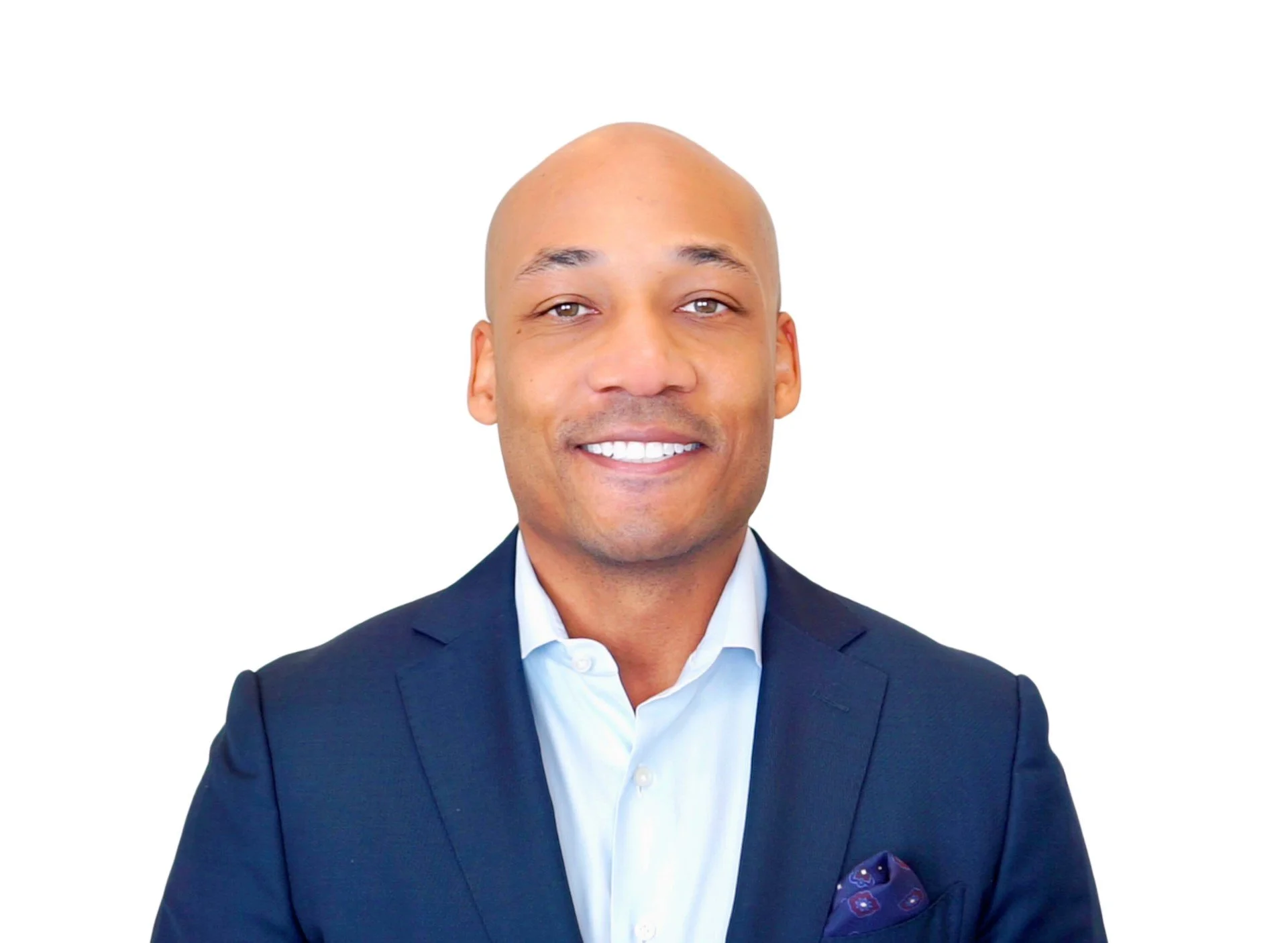
Kristen Oliveri sat down with Rick Nott, Managing Director at Angeles Wealth Management, to talk about what’s really driving interest in collectible watches and what families should understand before stepping into the space.
What draws clients to collectible watches in the first place — passion, heritage, investment, or a mix of all three?
It has to be all three, but if most watch collectors are being honest, the investment angle probably isn't what brought them into the space — though it might be what keeps them there now.
How does someone typically make the leap from being a watch enthusiast to a serious collector?
I think there's a frequency, quantity, and more likely a dollar threshold that pushes an enthusiast into collector territory.
Watches are one of many asset markets, and like any market, each has unique idiosyncrasies. The hallmark of a true collector is being aware of how a market evolves over time — having a natural intuition around its pulse through significant experience, and a disciplined process around transacting within it.
What makes a timepiece “investment grade” versus purely sentimental or aesthetic?
There’s always supply and demand, but for tangible assets like watches, demand is driven by changing — and often fickle — consumer taste.
The history of the watch and the watchmaker, along with its craftsmanship, may matter less to someone buying purely for aesthetics, but they are major factors when something rises to investment-grade status.
Documentation matters enormously. Service papers and original packaging typically command a premium. What makes an old Daytona once owned by Paul Newman worth eight figures while a new Daytona costs a fraction of that? History.
Scarcity plays a part as well. Limited releases — like the Swatch x Omega collaborations — can push even relatively affordable watches to multiples of their value on the secondary market.
How does the secondary market influence strategy for collectors?
As an investment advisor, I see many parallels between the watch secondary market and equity markets.
Secondary markets help establish fair pricing and create liquidity. That benefits collectors and enthusiasts who don’t want to jump through hoops to acquire the watch of their dreams.
When curating a collection, is it better to focus or diversify?
We don’t directly advise on collecting strategy beyond asset protection considerations. But my philosophy mirrors my view on traditional investing: follow the momentum.
You need to understand what’s selling and why. All markets move in cycles. Predicting the future price of anything is challenging — and that uncertainty is what drives potential returns.
How do collectors think about legacy and passing watches down?
The legacy aspect hits home for me personally.
The story — how the watch was acquired, what the owner did while wearing it — matters. Watches tell time, but they also store history. There’s a romance to that.
In many cases, the emotional value becomes as meaningful as the financial value.
What role do scarcity and provenance play in long-term value?
Collectors often believe scarcity and provenance are fundamental.
Limited production creates supply constraint. Provenance — the documented ownership chain — adds narrative weight. Together, they transform a watch from a functional object into a storied artifact.
How do watches fit into identity and lifestyle?
For some, a watch signals success. For others, it represents heritage, craftsmanship, and human engineering. Whether signaling achievement to others or quietly to themselves, watches often reflect identity.
Is collecting becoming more global?
Absolutely. Watch collecting is inherently global, and online platforms have enabled access, authentication, and international movement of pieces more easily than ever.